Late 1700’s and the early 1800’s
The land comprising the areas on both sides of the Menominee river. Including Menominee on the north side, Marinette on the southern side and Menekaunee also on the south side, at the river’s mouth. Was known as the Menominee River District and was located in what was then known as the Michigan Territory. It remained as such until 1836. In 1836 the Menominee River became the boundary line between Michigan territory that would become the state of Michigan 1n 1837 and the Wisconsin territory that became a state in 1848.
First Recorded Inhabitants….1700’s
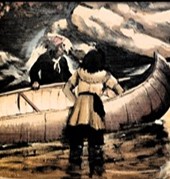
Were a small Algonquin tribe known as “the wild rice People” or Menominee’s. The journals of seventeenth and eighteenth explorers describe a tribe of 40 to 80 men living in a single village at the mouth of the Menominee River.
For a more in-depth story but by no means complete click on: Our Native American Culture
WIGenWEb
First White Settler…. 1794
In the Menominee river basin was Stanislaus Chappu, or Chappee, a French-Canadian fur trader. Chappee operated a log trading post at the site of Marinette between 1794 and 1824. In 1822 another fur trader by the name of William Farnsworth arrived in the river basin. 2 years later he usurped Chappee’s position as the areas fur trader when he forcibly ejected Chappee from his trading post with the help of nearby Chippewa Indians.
Marinette Jacobson arrives….1823
WIGenWEb
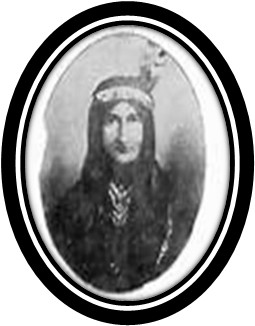
In 1823 John B. Jacobs and wife Marinette partnered with a Mr. William Farnsworth and the three took over the Trading Post located near the mouth of the Menominee River.
Soon after arriving Jacobs, her husband, would return to Canada his original home and never returned. Marinette and Farnsworth’s then joined in a common law marriage. From the onset of her arrival in the district, it became apparent that the native Americans who traded furs for food and supplies preferred dealing with Marinette. Marinette was considered by most that knew her as a very capable businesswomen, shrewd but honest trader.
First Sawmill…. 1831
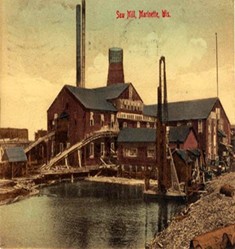
The first sawmill on the Menominee River was built in 1831 by William Farnsworth and Charles Brush. Farnsworth and Brush were granted permission to build a Mill and Dam by the Menominee Indians and also the War Department on un-surveyed Indian lands. Intern they were required to saw lumber and grind grain for the Menominee Tribe and the U.S. Government at a reasonable price. The location of the Mill was on the corner N. Raymond and Riverside Av. approximately 1/8 mile upriver of the Hattie Bridge.
For a more in-depth story but by no means complete click on: the Lumber Boom
WIGenWEb
Freight and Passenger Service…1836
The first steamship the “New York” entered the harbor in 1836 to take on a load of wood. She was the first steamship in the harbor. Regular freight and passenger service were established that year.
http://www.rootsweb.com/wimarine
First Real Estate Transfer….1838
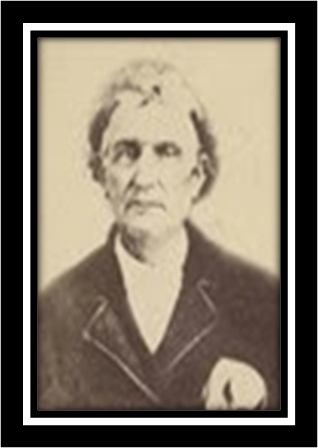
The first Registered Real Estate transfer in the Menominee River District is dated May 22nd, 1838, and was from Alex McLeod to William Farnsworth & Charles Brush. The transfer conveyed a mill privilege and a tract of land that embraced an area one mile wide on both sides of the river and extended four miles upriver from its mouth. Farnsworth pictured on right.
The area encompassed virtually all present land in the cities of Marinette and Menominee. The two obtained the large tract for a consideration of $1000. Farnsworth left Marinette his common law wife a few years later and moved to the Sheboygan river region. Although here just 20 years he was very instrumental in our areas early development.
“Way Back When” Serial History of the Twin Cities in the Menominee Herald Leader.
Wisconsin becomes a State…..1848
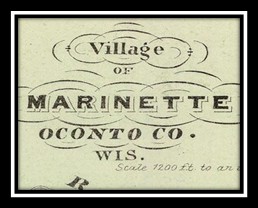
In 1848 when Wisconsin became a state. The Village of Marinette with a population of between 4 and 5 hundred was located in Oconto County. It remained in Oconto County until 1879 when Oconto County was split into two Counties. Marinette County becoming the Northern most portion and Oconto County the Southernmost. (See more under 1879)
Sources: Wisconsin Historical Society images
On Foot or Horseback….1855
“Until 1855 there were no roads in the town of Marinette laid out as required by law; and in fact, there were no wagon roads at all, of any considerable length, there being no call for them.”
In 1855 the State Legislator passed an act providing for a state road to be built from Fort Howard (Green Bay area) northward to the Menominee River. As work on that road progressed in 1858, a road was laid out to run from Marinette to the village of Menekaunee. In 1862 a road along the Menominee river, from the river’s mouth to Marinette was completed. This road became Water Street. A.C, Brown the roads builder used lumber edgings, sawdust and culverts to lay the road across the swampy areas of Menekaunee to the hard lands above.
Quote and notes are from DR. J.J. Sherman‘s book, The History of Marinette, 1876
First Steam Sawmill….1856
The Steam Sawmill was more efficient than the earlier water powered sawmills. It was built by the New York Lumber Company in the Village of Menekaunee. 5 years later it was sold to 3 businessmen from Chicago by the names of Spalding, Sawyer and Brown. The Mill burned to the ground in 1869 and then again in 1871. Menekaunee was the only part of the Marinette that was affected by the Peshtigo Fire. But like the Phoenix, rose from the flames and was re-opened in 1872 under the name of the Menominee River Lumber Company.
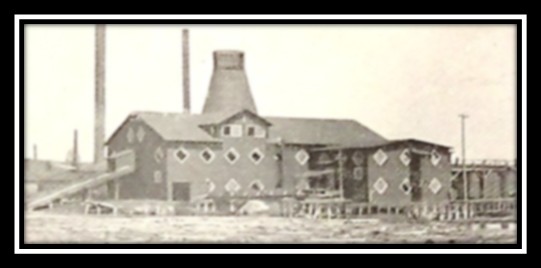
Source: Marinette County Centennial Booklet
The Start of Education….1857
In 1857 the settlers in Marinette decided to create an educational program for the 40 children living in Marinette. The program was supported by voluntary funds. The students were taught in the upper story of a wooden building in the Perkins block of the Marinette settlement. With Dr. J.J. Sherman as the teacher.
In 1858 the New York Lumber Company built a small building near where the Menekaunee school once stood and donated it to the community. Dr. Sherman taught at this school also. He was paid $20 a month for the 4-month school term.
In 1863, the two schools which had been running independently, consolidated and became the Union School. The Union School was located where the current day Middle School stands. Later, a small Primary School was built in both the Marinette and Menekaunee settlements.
Ike Stephenson Arrives….1858
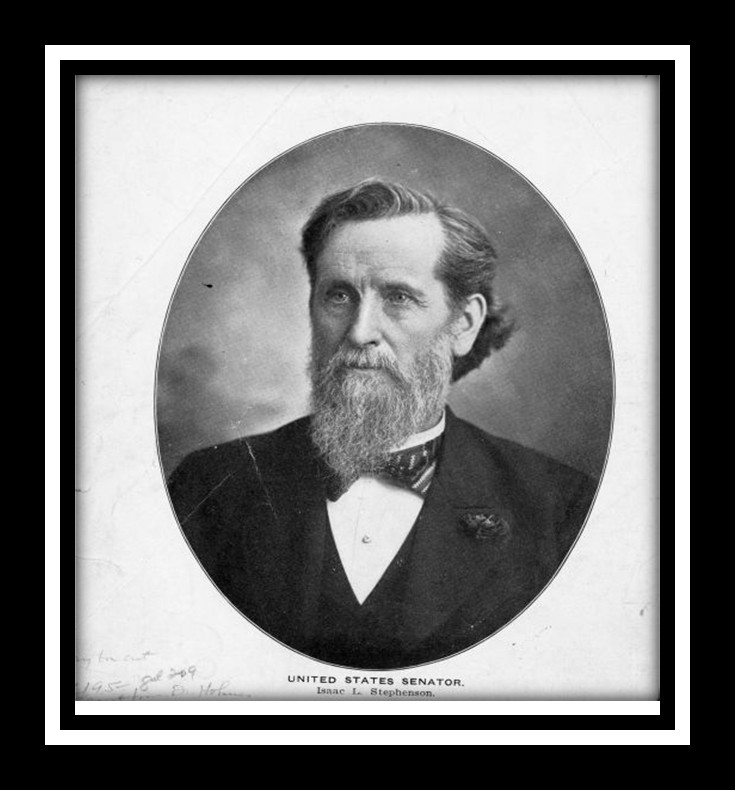
Isaac Stephenson was recognized as a major force in the Development of the City of Marinette and was also a noted leader in Wisconsin‘s and Northern Michigan‘s Lumber Industry.
A Lumberman, Businessman, Financier, Politician and Humanitarian. Stephenson, a larger-than-life figure, at his passing in Marinette at age 89 in 1918 had become one of the wealthiest and most influential individuals in the entire Great Lakes.
It was said of Isaac Stephenson that in his younger days he, worked shoulder to shoulder with his men, attacking the virgin forests. In his older years, although attaining great wealth and power, would never indulge in outside show, but preferred to live as “a man amongst men.”
Source: US Gen Web Wisconsin Biographies, Commemorative biographical record of the west shore of Green bay, Wisconsin.
For a more in-depth story but by no means complete: click on Isaac Stephenson
Menominee River Boom Co…. 1866
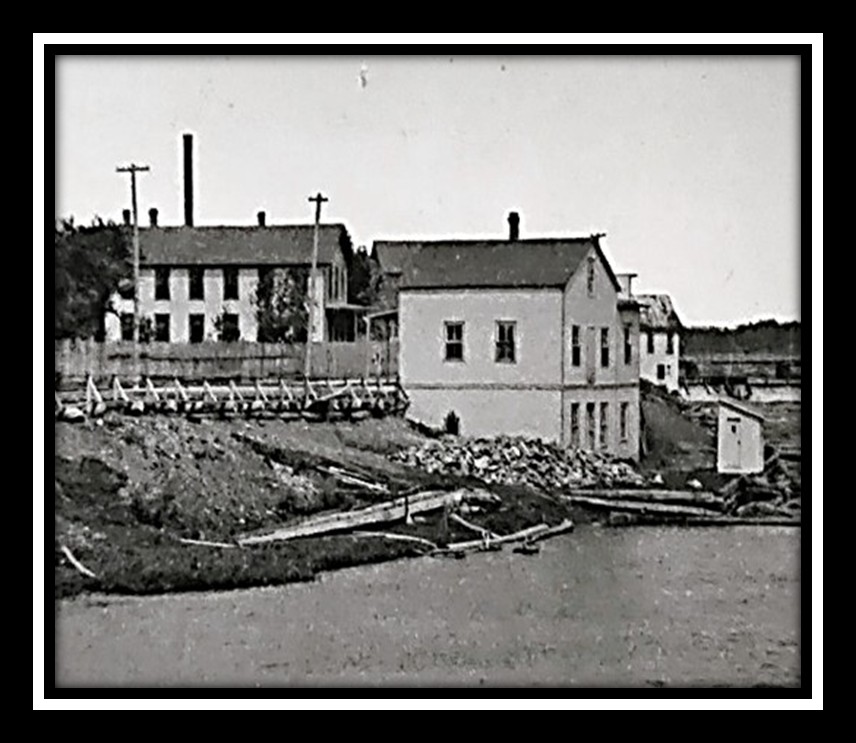
Once the river thawed and prior to the beginning of the log drive each Log was branded with the owner’s mark.
The role or job of the Boom Company was the driving, booming (sorting out of the logs and measuring them), and floating, them down to the appropriate sawmill owner. This was done in the river on floating log booms chained to rock cribs.
The Boom Company, located on the site of the old trading post in Marinette, reported that during a 50-year period, 1867 – 1917 they put 10 billion 608 million board feet of lumber through its sorting gaps on the Menominee River. Its biggest year was 1888 when 650 million feet were cut.

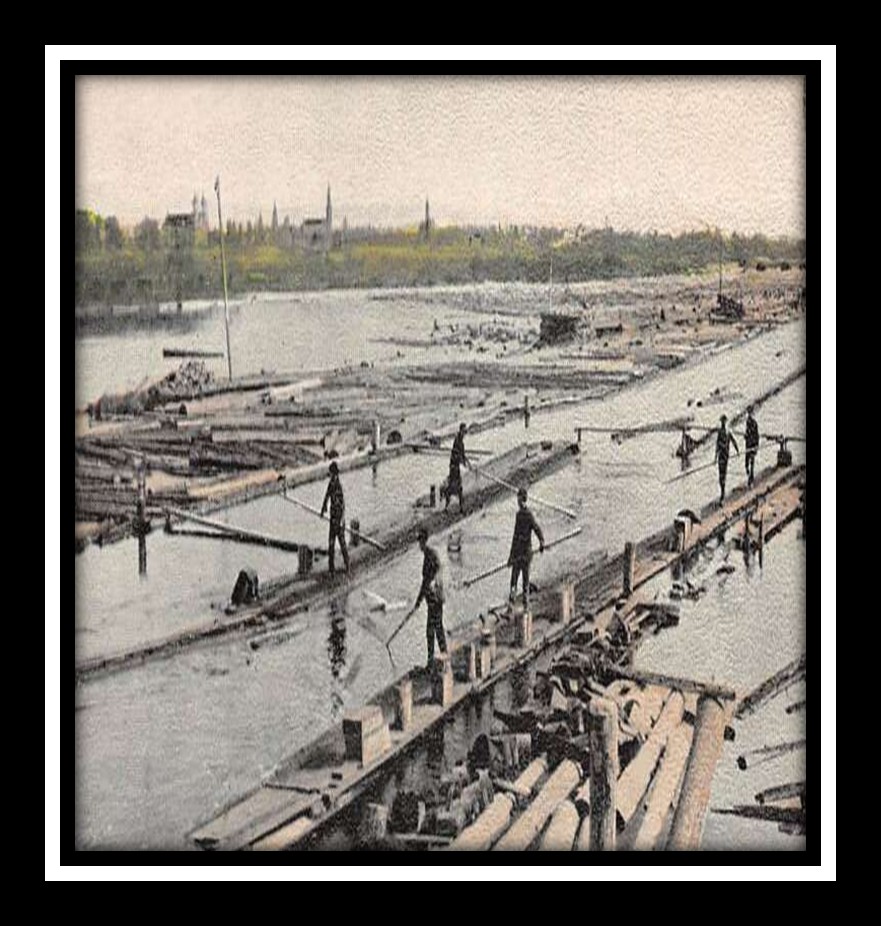
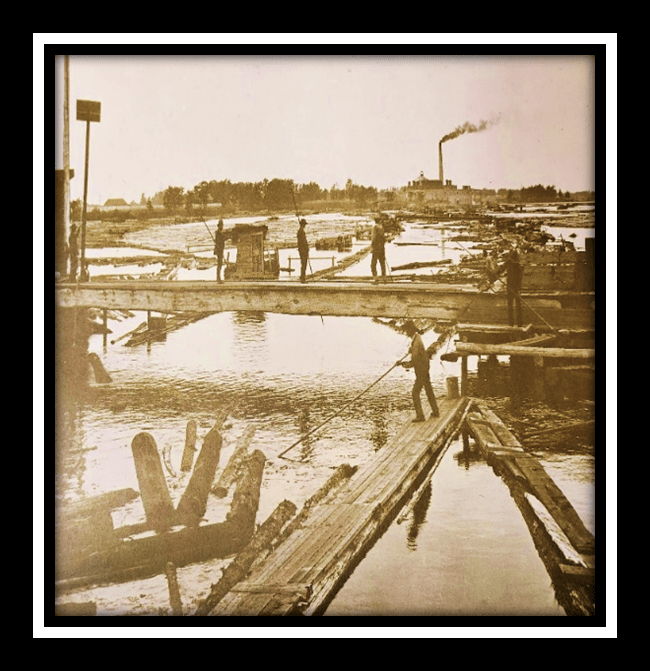
Source: Herald-Leaders “Way Back When” serial History” 6th Installment. Fred C. Burke’s book Logs on the Menominee.
Marinette Iron Works….1867
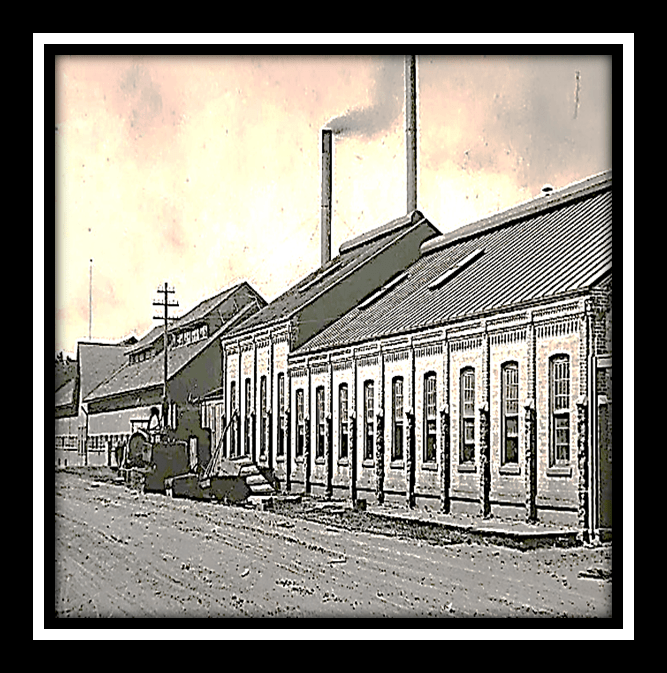
The Iron Works machine shop, originally known as Prescott’s, was built to repair and manufacture sawmill and mining machinery and was located on Joe Bart (now Stephenson) Island. Owners were Clint Prescott, Trumble and Curver. After being destroyed by fire twice they moved to Main Street and changed their name Marinette Iron Works.
The Prescott’s developed the steam-feed and set works, which revolutionized the sawing of lumber.
Source: http://www.rootsweb.com,/wimarine
First Area Newspaper….1871
The Marinette and Peshtigo Eagle was first published in 1871 by Honorable Luther B. Noyes, Editor and proprietor. The paper was Republican in sentiments, but has discussed political, and other questions, with a good degree of fairness and honesty.
When Luther came to Marinette, he was just 6 years out from his service in the Civil War. He was assisted by his 15-year-old son Frank. Everything was done by hand taking every letter, punctuation mark and space assembled in clamped columns in page form. Then inked with a hand roller and covered by newsprint paper. A hand lever then brought down a metal plate which applied the pressure to make the imprint.
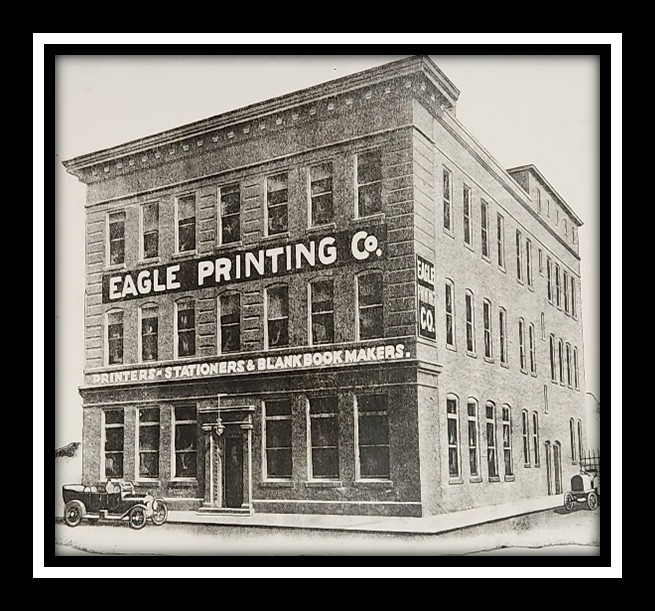
The Noyes Family maintained ownership and editorial influence until 1980. The News Paper first known as the Marinette and Peshtigo Eagle, then the Marinette Eagle Star and now after merging with the Menominee Herald Leader in 1985 becoming the Eagle Herald has now been in business over 150 years.
Eagle Printing Company 1886 at 1809-1813 Dunlap Ave.
Source: Marinette Eagle Star, Thursday June 4th, 1971, page6.
Railroad Service starts…1871
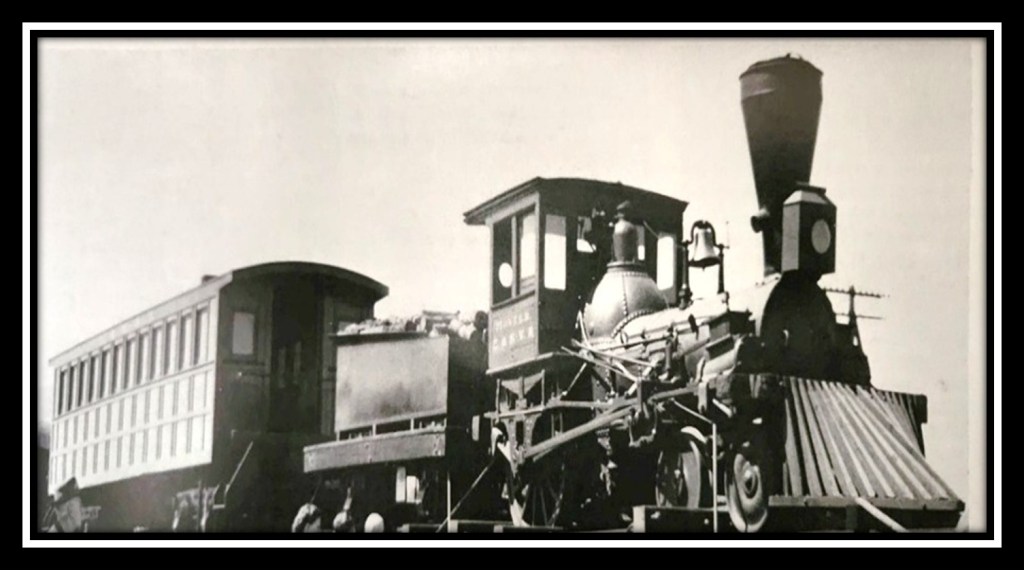
Service of the Chicago & Northwestern Railway began in 1871. The need for the Railroad was necessitated by the lumber boom and the growth it created.
Prior to this time the quickest way to travel, deliver and receive freight as well mail was via sailboat or steamship.
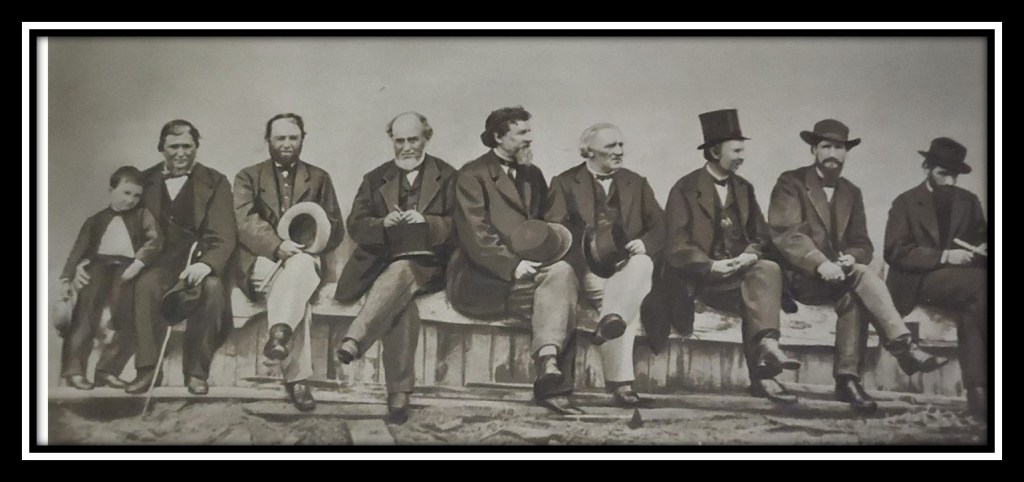
A committee of Twin City leaders waiting at Menekaunee dock for committee chairman, William B. Ogden, a past Mayor of Chicago, Past President of the Chicago North & Western Railway and at that time Owner and President of Peshtigo Paper, with several directors of the Chicago Northwestern railroad to arrive by boat in 1869.
The purpose was to try to get the Chicago Northwestern Railroad extend service North of Green Bay. Sitting left to right Master Charles Spalding, Judge E.S. Ingalls, Jessie Spalding, Nelson Ludington, Daniel Wells, Jr., Dr. J.C. Hall, Abner Kirby, Isaac Stephenson and Chauncey Simond.
Source: Photos courtesy of the Burke Family Collection
Marinette County Created..1879
On March 3rd. of 1879 Oconto, the largest County in Wisconsin, was divide in half with the Northern most half forming Marinette County. The first County Board of Supervisors met on March 11th with J.A. VanCleve serving as County Clerk. Representing the Township of Marinette was A.C. Merryman. Peshtigo Township was represented by William J. Shephard.
Source: Marinette County Centennial Booklet
Marinette’s First Opera ….1879
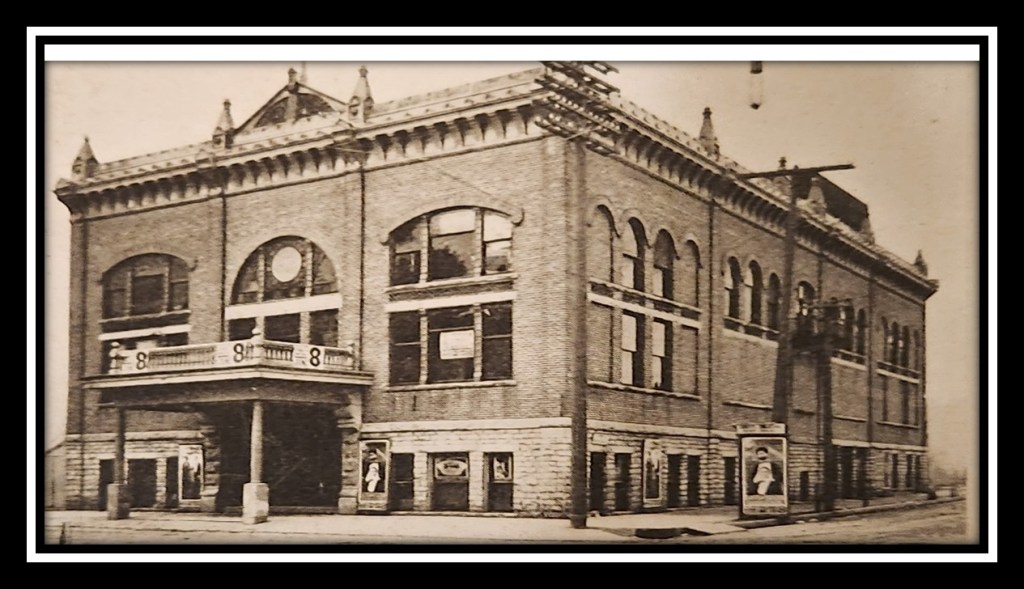
Marinette’s had 2 Opera Houses. The first built in 1879, called the Stephenson Opera House, it was located on Hall Street at Stephenson Street. The second was called Turner Opera House, later called the Scott Opera House, was opened in 1891 at the corner of Stephenson and Wisconsin Street.
As printed in Eagle Star on November 13th, 1959 it was noted by Emil Lohff, a stagehand in the early years, that Annie Held starred in the first play at the Turner. It was also stated that many famous plays were featured including Ben Hur and that often times scenery for plays would fill 2 box cars.
Prior to remodeling the buildings into a movie theater, the Scott (Turner) theater was also considered one of the best dance halls North of Milwaukee even out shining those in Green Bay. The dances were held on elevated floors which were removed once the dance was over.
Between 1910 & 1920 both were converted into moving pictures theaters. The theater on Stephenson and Wisconsin Street which became known as the Fox theater remained in business until 1967.
If you were in grade school during the 1950’s I’m sure you remember the Fox Theaters Saturday Matinees that featured a serial 15 minute short, a cartoon and a full-length feature or the Fox’s Triple features on Friday nights during the early 1960’s.
Sources: cinematreasures.org article by joe Vogel and Eagle Star articles
Marinette Flour Mill….1880
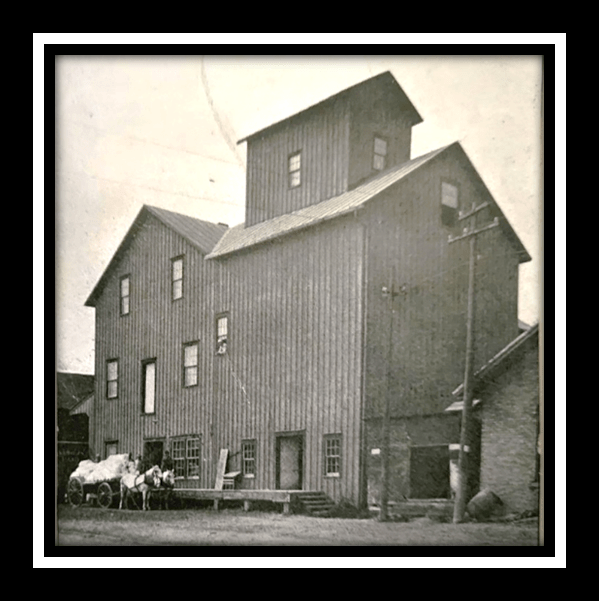
A thriving business in Marinette during its early years was a water powered flour mill opened in January of 1880. It was located on Riverside Avenue which at that time was known as “Upper Main Street”. It was the first flour mill in the state North of Oconto.
Farmers in the area were one of its original benefactors with the mill’s capacity at over 100 barrels of flour a day. Lumber Camp Cooks also relied on flour in great quantities as reported in an article in the Marinette Eagle in 1889 which stated the mill continually operates at full capacity because of the increased demands of logging camps.
The company’s top brand was “Wis-Ko-Ta” the name concocted from the 3 states, Wisconsin, North Dakota and Minnesota. The states that produced the wheat the mill utilized. After a 43-year run and changing hands several times the company was forced to shut down because of increased competition and changing lifestyles.
Sources: The Marinette and Peshtigo Eagle 1879, Marinette Eagle 1889, Marinette Eagle Star 2/24/14 “Byelines” by Larry Ebsch
Marinette County Courthouse….1881
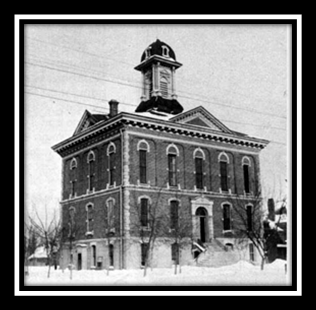
The First Courthouse and Jail was completed in 1881. On land donated by the Honorable Isaac Stephenson. It was designed by George Clark an engineer from London, England who worked for the Union Pacific Railroad and had settled in Marinette County. Calix Merchant furnished the materials and erected the structure for $9,400.
Source: Marinette County Centennial Booklet
Menominee River Hospital – 1884
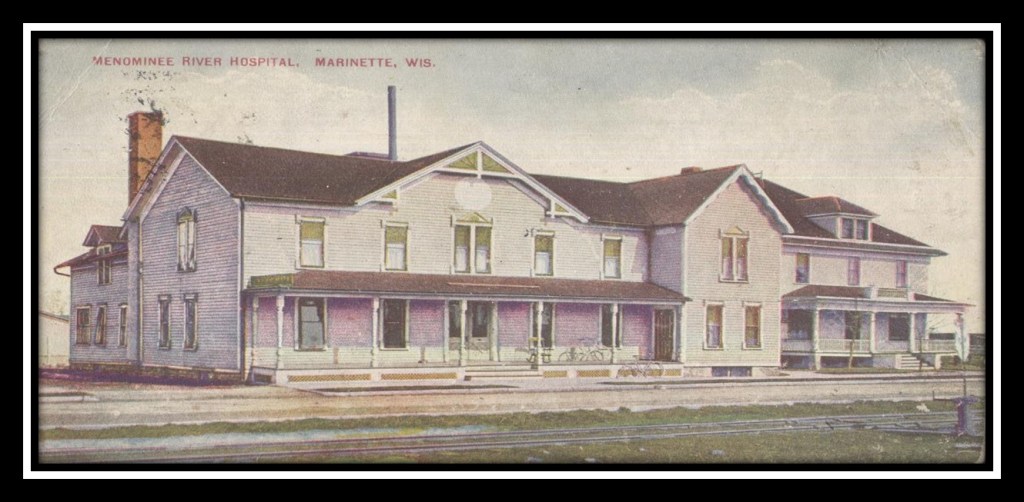
The Menominee River Hospital was opened in 1884 with a branch opened in Menominee 3 years later. It was incorporated as the M & M Hospital in 1899.
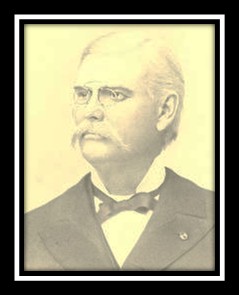
The Hospital was opened in Marinette by Doctor Horace Mann who had completed his training in New York in 1874. It was located right behind the current Knights of Columbus building on Main Street. The building prior to becoming a hospital was a boarding house ran by Mann’s mother-law Mrs. Ann Tracy.
The Hospital was located adjacent to the railroad tracks. With the nature of Lumbering, and the constant influx of inexperienced workers, accident cases were numerous and varied. This location allowed injured lumberman to be taken directly to the hospital by train. Depending on the type of injury some men were taken off the train and brought in by hand cart.
The life of a doctor, in those days, was rigorous: morning and afternoon work at the Hospital: office hours in afternoon and evening: house calls anytime day or night. Many Doctors had offices in their homes and dispensed medicines themselves. In the early days most house calls were made by horse and buggy allowing the doctor to take a short nap on his way back home. Yet, to them exhaustion was a way of life.
For a more in-depth story but by no means complete: click on Marinette’s Medical History
Sources: Marinette County Wisconsin WIGenWeb, Medical and Hosital care, Marinette Eagle Star 6/17/2013, Byelines by Larry Ebsch.
Marinette Soap Co…1886
In 1886 a small soap making shop was started in Marinette by a 50-year-old Irish immigrant, Jeremiah Cannon. He had learned the trade in England as a young boy. After initial success, Cannon convinced local investors to help him expand and two years later with a capital of $25,000 formed Marinette Soap Company. With the funds he was able to erect a 2 story 20’ X 60’ addition to his current building. This space allowed him to add 3 new boiling kettles. I for lye and 2 for mixing soap.
In 1891 his business got a big boost when the Wisconsin National Guard held training exercises in Marinette. Cannon proved his marketing talent by offering free soap products to the hundreds of soldiers. Products which soon found homes in villages and towns throughout the state.
In 1897 you could find soap from Marinette Soap Company in towns all over the Upper Peninsula of Michigan, and the states of Iowa, Illinois, Minnesota, Indiana and of course Wisconsin. On May 27,1897 it was stated in the Marinette Eagle that on the prior Tuesday 5 carloads of soap, 1500 boxes were shipped to the city of Chicago. That was following the 500 boxes or nearly 2 carloads the week before.
The Soap Company remained one of the pioneer industries in Marinette for over 20 years when it was bought by H.J. Callaghan of Green Bay Soap Manufacturing and moved to that city.
Sources: Marinette Eagle May 27th 1897. Eagle Star 2-24-2014, Larry Ebsch, ByeLines article.
No Fewer then 31 Hotels….1889
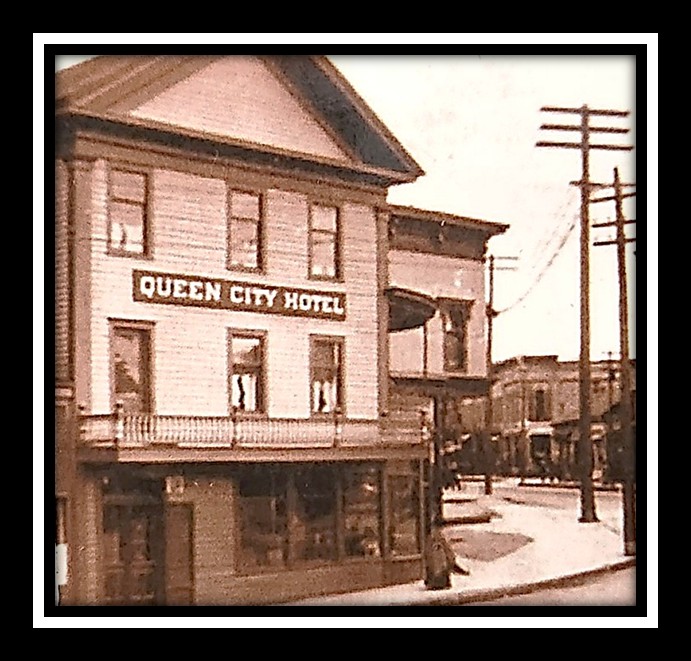
In 1889 the City Directory listed no fewer than 31 Hotels and boarding houses in the area. Most were clustered in the downtown district along Hall Av. and Main St. and in the Menekaunee Area on Hosmer and Water Streets.*1
The Queen City Hotel pictured was located on Dunlap Square during the “Gay Ninety’s”. This location is kitty corner to the current Best Western.
Pictured Below, The Marinette House and the Central Hotel were two of the earlier Hotels in the area.
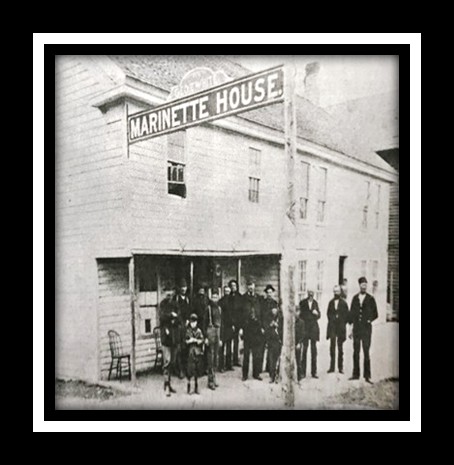
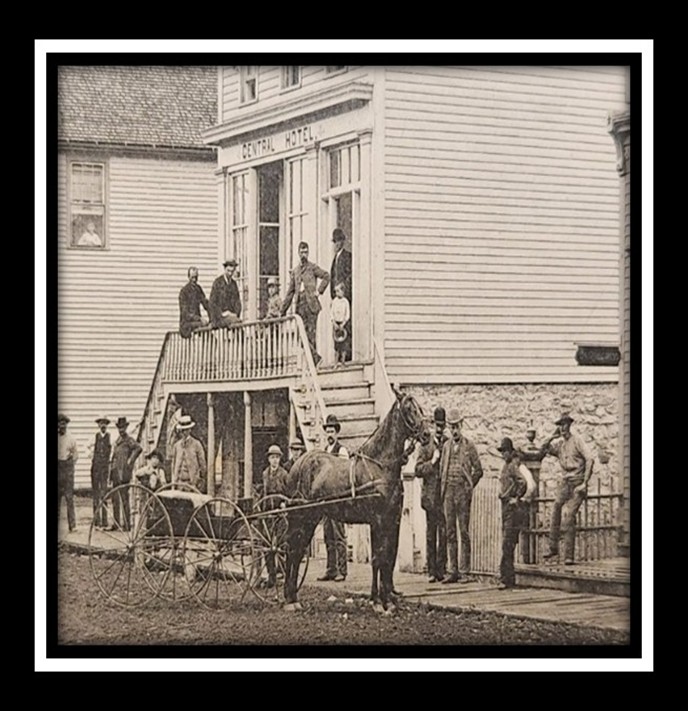
During the Lumber Boom there were over 4,000 men working in the Marinette and Menominee sawmills and about 5,000 in and out of the logging camps. Many, were single and in need of temporary residency.
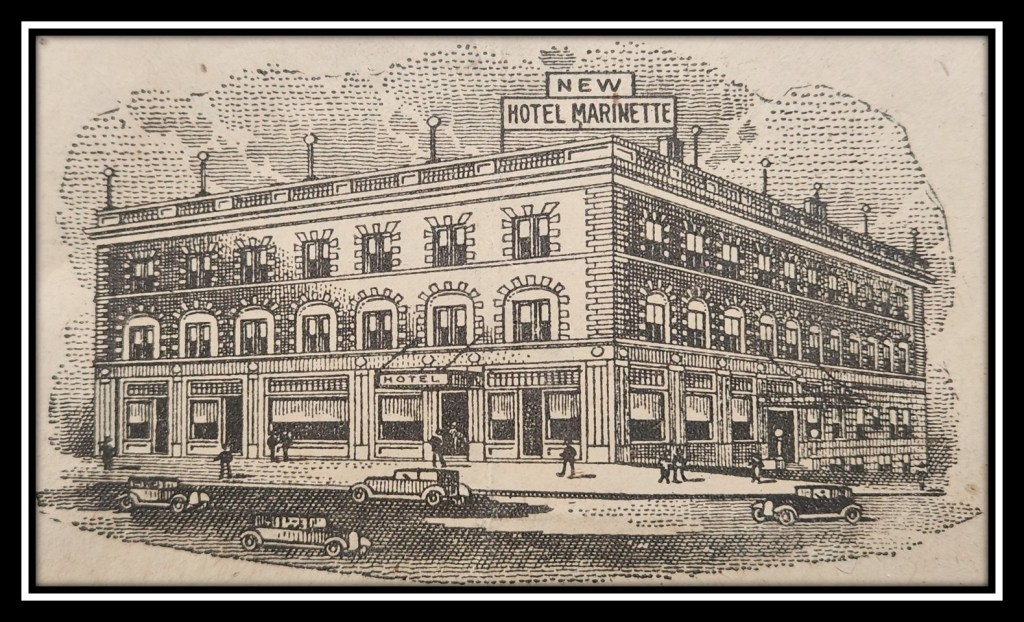
The original Marinette Hotel was built in 1896 and was unquestionably one of the leading Hotels in the state at that time. It was considered the Gateway to Northeastern Wisconsin and to the Northern Peninsula of Michigan.
The Hotel was rebuilt in 1912 enlarging it to 90 rooms. The first floor comprised of a luxurious lobby, coffee shop, an elegantly furnished banquet room and several stores. The basement contained a Barber Shop, Bowling Allies, etc. *2
Source: Photos courtesy of the Burke Family Collection, *1 Marinette Eagle Star article on 07-13-1970,*2 Sheboygan Press 8/27/1929
Lauerman’s First Store…1890
Although there were many retail stores in area before 1890, as well as company stores run by all the major sawmills. The entry of the Lauerman Brothers into the Marinette market left a positive retail imprint that lasted for over ninety years.
Through the years the Lauerman Brothers along with many other family members as well as a group of hard-working employees from throughout the area helped Lauerman’s Department Store to become known as the “The Largest Small City Store in America”
For a more in-depth story but by no means complete: click on Lauerman’s Retail Imprint
M&M Box Company….1890
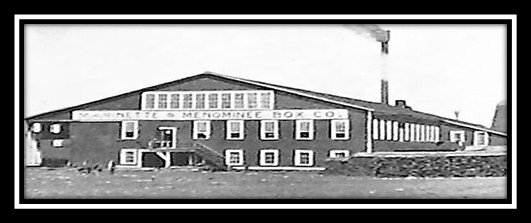
The M&M Box Company played an important role in Marinette’s economic basis well into the 1900’s.
It was built by John B. Nadeau (father of Dr. A.T. Nadeau) for Cook and Rathborne of Chicago. Incorporated by Hastings, McNeil and Nichols in 1890, the factory was sold to the Peninsular Box and Lumber Company of Menominee in 1916.
In 1927, it was purchased by the five Coffey brothers. Daniel F. Coffee was named President, Daniel F. Coffey Jr., executive vice president and treasurer, Mrs. Mabel Coffey secretary and Sanford Coffey, assistant secretary. In 1927 they had 40 employees, by 1931 they had over 100.
Sources: Marinette County Rootsweb.com Pioneer industries built our Economic basis. Marinette Eagle Star 1971
Electric Street Trolleys …. 1891
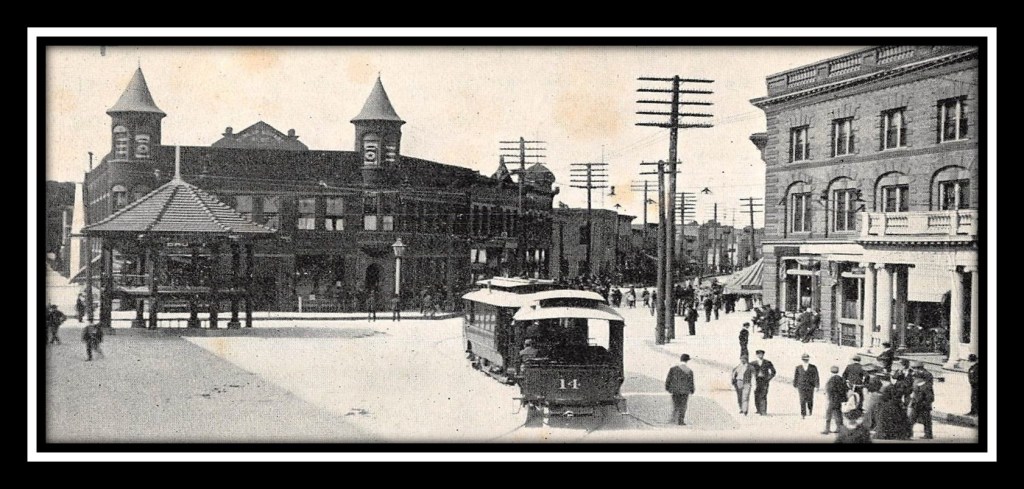
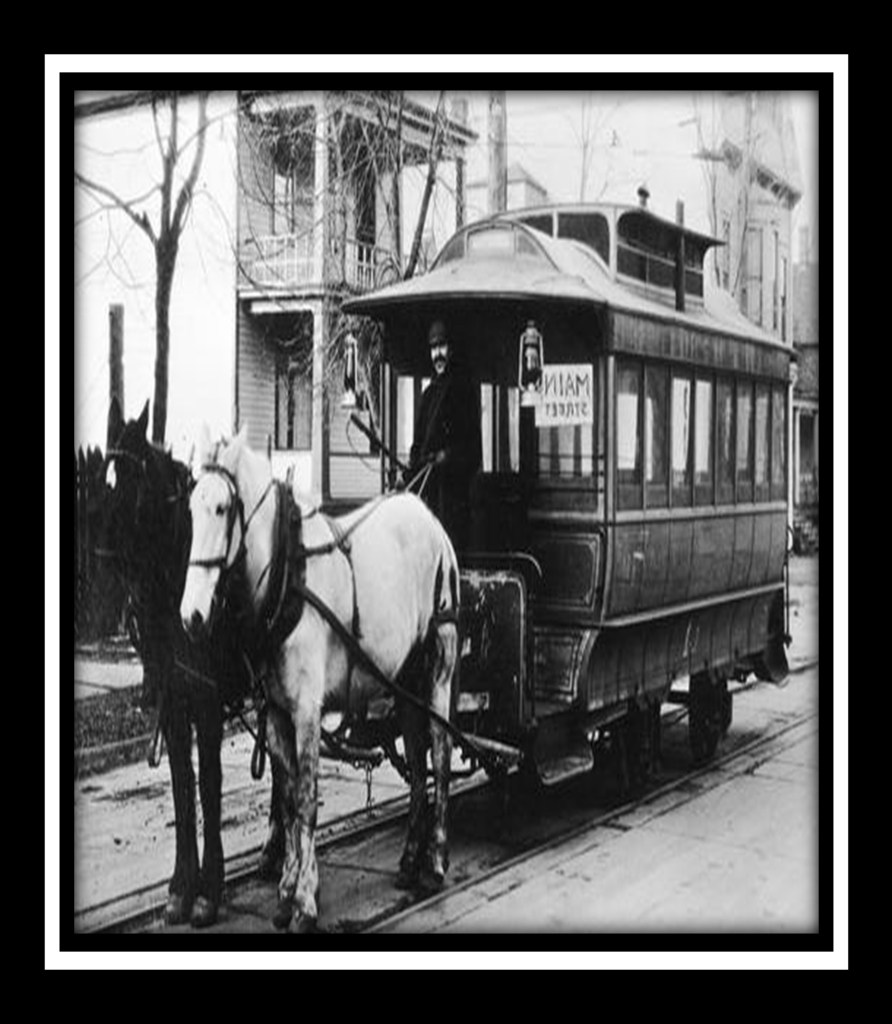
The Marinette Gas, Electric Light and Railway Co., incorporated in 1889 with H.C. Higgins as president, at which time the company purchased an existing Trolly line drawn by horse, by 1891 they replaced the Trollies with an electric streetcar line.
The line included seven miles of street railway. The company gave employment to about fifty people and included the gas and electric lighting plant, also started Higgins, which had been established 1887, as well as the railway line. In 1889 the line ran from Dunlap Square on Main and Hosmer to the junction of Ogden, from Dunlap Square on Hall up to Park Street and from the corner of Main Street and Pierce along Pierce up to Parnell Street. The fare was 5 cents.
In 1903 the M&M Light and Traction Company was organized with the purchase of Menominee Electric light, Railway and Power Company and Menominee River gas company combined with the purchase of Marinette’s Gas and Electric Light and Street Railway company from the Higgins group. At the outset of the newly formed company the Traction Line portion of the business generated the greatest revenue. Interestingly enough, at the beginning there was no loop service available, so passengers had to walk across the draw bridge to get from one streetcar to another.
M. & M. Light and Traction Company was sold to Wisconsin Public Service in June of 1922. The sale was reported as the Biggest Deal Ever Consummated in the Twin Cities up until that time. Selling for $1,600,000. The money going to the current stockholders. It was believed to be a tremendous benefit to the area as it was felt much of the money would be reinvested into new local businesses.
The last day the street cars operated in Marinette and Menominee was March 24th, 1928. Buses started the next day. The 6 newest of the 16 street cars were sold.
H.C. Higgins a Three-Time Entrepreneur
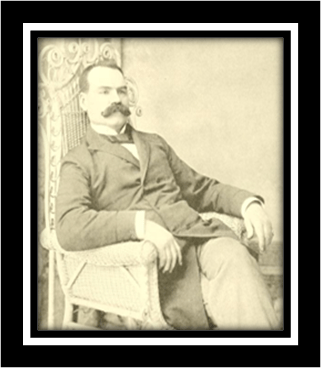
In Marinette’s early years H.C. Higgins was one of the entrepreneurs who recognized the needs of a growing area and met those needs. H.C. built Marinette’s first Gas plant, its first streetcar line and was one of the original incorporators and President of the First National Bank of Marinette. He purchased huge tracts of real estate including the property which included the areas of the Pine Beach Club, where the Chautauqua was held, and also the property where the Dome Lanes and Oakwood Beach exist today. It was in the area of the Dome Lanes where he built the Lakeshore Resort and Amusement Park. He also owned huge tracts including where Marinette High School and the Rec Center exist today.
Sources: MENOMINEE HERALD-LEADER June 30th 1922, Commemorative biographical record of the west shore of green bay, Wisconsin. Marinette Eagle Star, June 26,1971. page 18 section C., Marinette County Historian August 1986.
Firehouse Marinette 1893
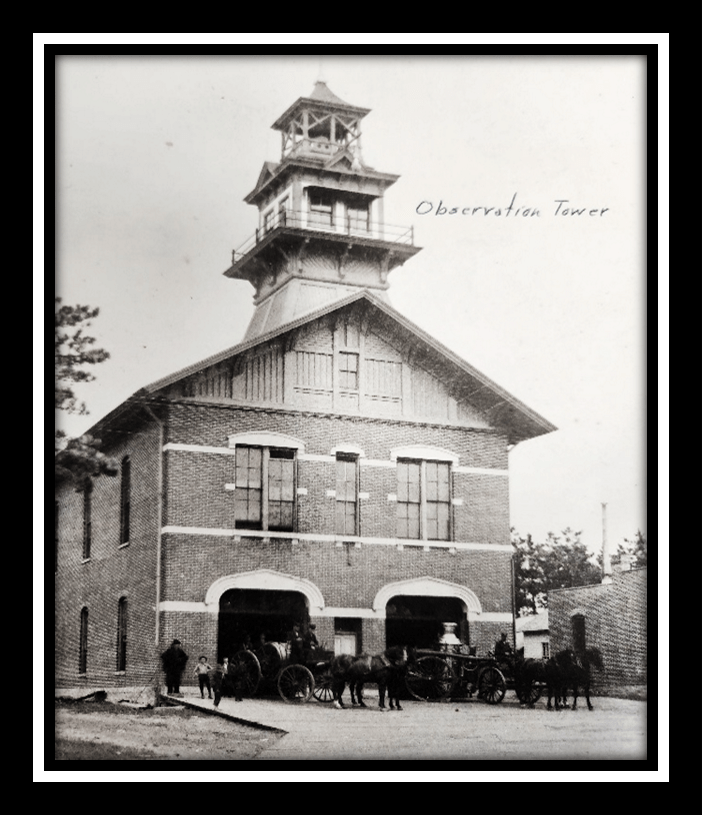
1893 firehouse, council chambers, and library. City clerk and treasure office to right. These buildings exist where the current Fire station is today.
Picture from Burke Family Collection
Ann Arbor Car Ferries….1894
The Ann Arbor Car Ferries connected the States of Wisconsin and Michigan via Lake Michigan and was a favorite shipping route for Marinette and Menominee area business and industrial firms for approximately 75 years.
The Ferry traveled between the Twin Cities and Frankfort Michigan by way of the Sturgeon Bay Canal 3 times weekly. Tuesday, Fridays and Saturdays. The 80.2-mile trip was scheduled to take a little over 8 hours. The first trip on July 4, 1894, and carried railcars of Lumber and passengers. In 1887 Ann Arbor carried 2,760 carloads of freight out of Marinette and Menominee of which 2,149 were Lumber.
Most who lived during the era remember not only the economic impact the Ferry had on Marinette and Menominee businesses. But also, the enjoyment it provided area citizens who could view the large ships entering and exiting the Port or in some cases, as passengers with their cars stored in the hold down below, traveling to Michigan or beyond.
The Car Ferry service grew steadily and reached its high in 1965 but then as faster and more reasonable methods of shipping became available by March of 1970 the service was ended.
For a more in-depth story but by no means complete: Click Ann Arbor Car Ferries
Sources: Marinette Eagle Star Centennial edition June 26, 1971. Marinette County Historian, Autumn 2001, Howard Emich. Marinette Eagle Star Archives page 2.
Lakeside Resort (Later the Dome)….1895
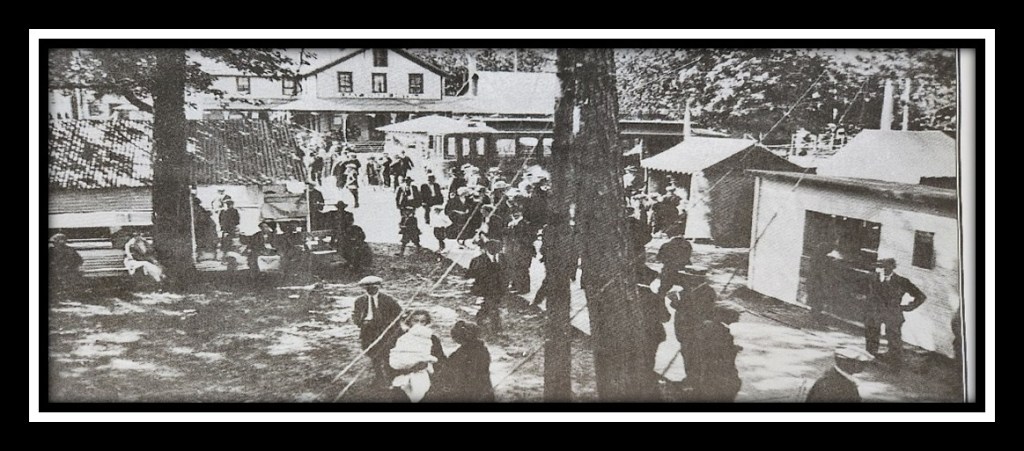
The Lakeside Resort was built around 1895 by H.C. Higgins of M&M Light and Traction. The resort had 1360 feet of bathing beach with two bath houses for changing. There was an Inn and Dance Hall. In addition to a bowling alley, carousel and roller coaster.
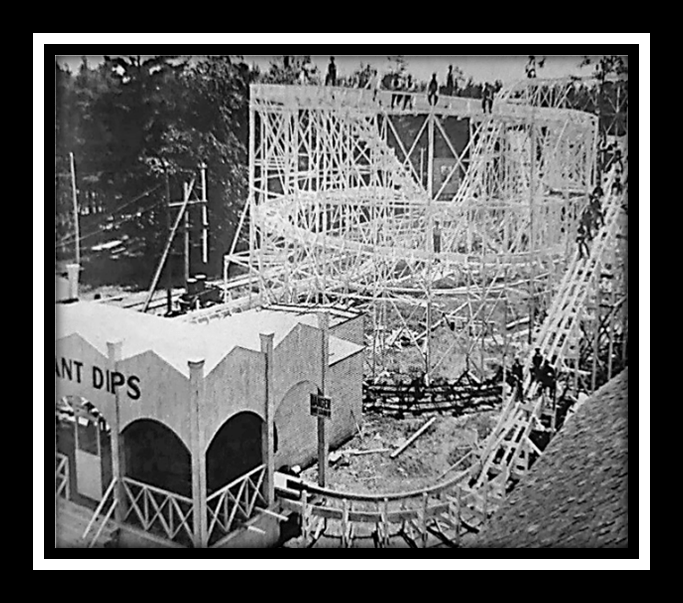
On a typical Sunday during the summer as many as 2000 people would travel by streetcar to the resort from Marinette and Menominee. The resort was sold to Bill Hasenfus in 1922 and over the years was transformed it into the Dome Resort.
Sources: Lithocrafters Printing, Calendar 2026
Menominee Harbor Cargo shipping….1896
As important as the shipment of white pine lumber was to the economy of the Marinette and Menominee area. Commercial fishing also played a very important role.
During the 1896 shipping season there were 1,333 arrivals and departures in the eight-month season at the Menominee Harbor. Tonnage was 355,529 tons. Many steamships wanted a cargo of whitefish, for at times it was more valuable than pine.
Source: wigenwebsites.org/marinette/history/centen
Chautauqua Assembly….1897
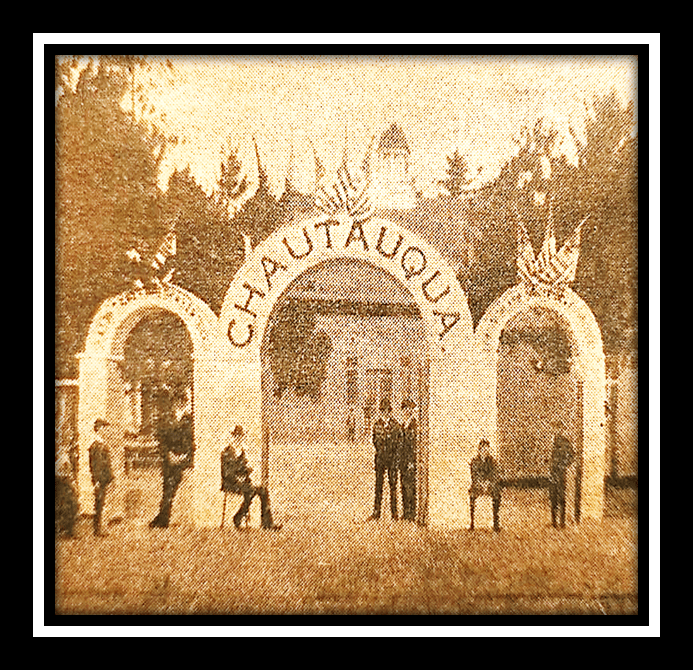
Any History of the of the Marinette area would be incomplete without the mention of the “Chautauqua”. The Northern Chautauqua Assembly, 1897 to 1909, was organized to bring to this area notable eminent religious leaders of all faiths, musicians, singers, readers, scientists, educators, actors, noted politicians and entertainers.
The programs were to be held over 2 to 6 weeks every summer. The location was in the area of the current Pine Beach Club. The property was owned by H.C. Higgins also owner of Marinettes streetcar line and of the Lakeside Resort which was located on the present-day Dome Lanes. Higgins offered any amount of land needed, approximately 50 acres, to accommodate Chautauqua activities.
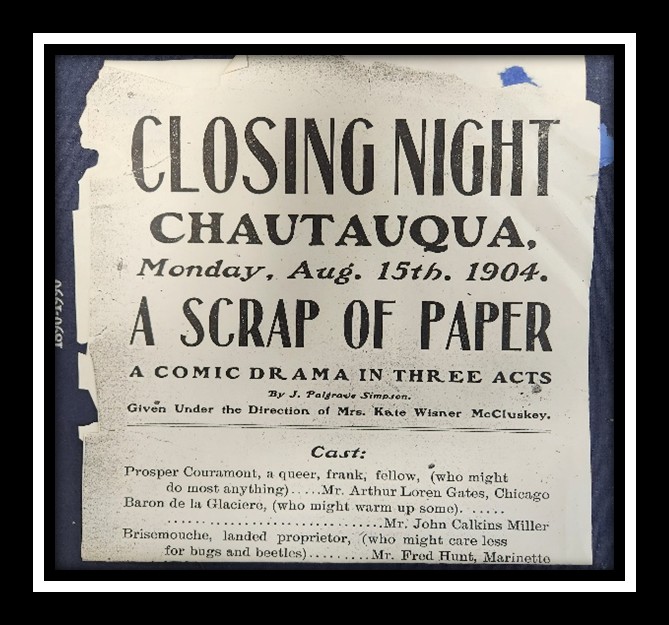
The inaugural year, 1897 year was considered an immediate success with thousands attending the first night of entertainment. That year found all activities held under tents with plans for at least 7 permanent buildings to be erected in the next several years. These included, Hall of Philosophy, Auditorium, Assembly Hall, Administration Building, Dining Hall, Normal School and Dormitory.
The Chautuaqua Auditorium pictured below could Easley seat 5,000 people. It was also built with sides that opened up that could provide a good view for many more. The stage could accommodate a chorus of 200.
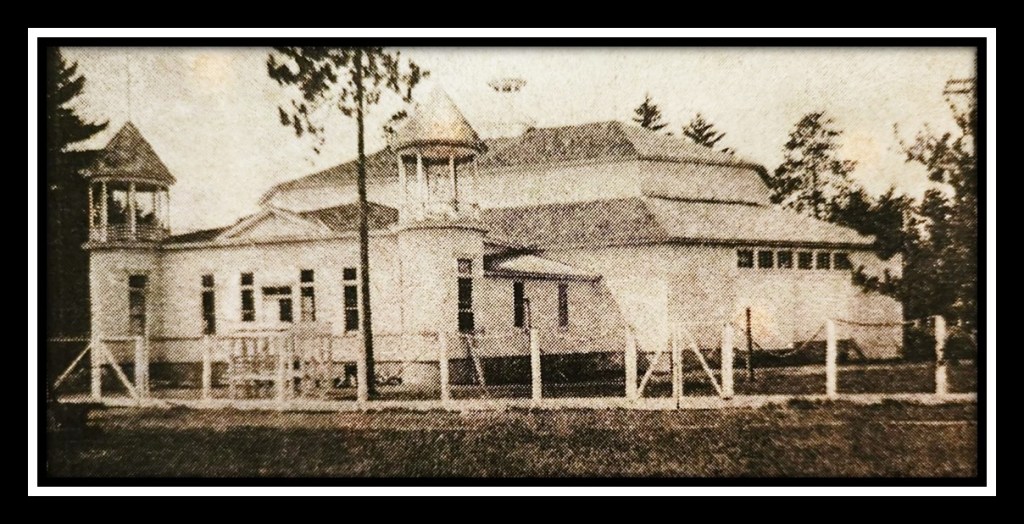
The Chautauqua area was a time when the orator, not the motion picture or television star, was in the limelight. Some of the foremost statesmen, politicians, preachers and educators of the day drew large crowds at the auditorium built in 1905. As such, it provided the people of the area a “Poor Man’s University”.
Souces: Papers of Howard Emic, F.C. Burke and Shirley Nimmergood, Picture of the Auditorium saved by Fred Shemick.
A.W. Stevens Co….1898
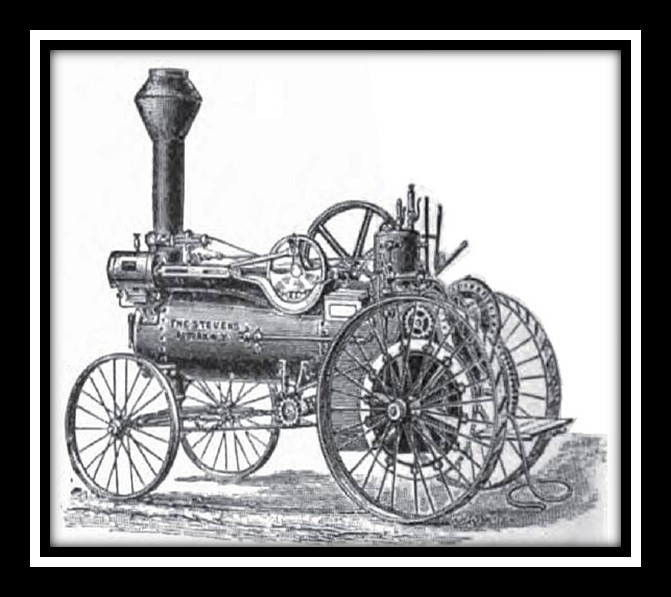
A.W. Steven’s company a builder of Steam and Gas engines moved its manufacturing facilities from the state of New York to Marinette in 1898 and played an important role in Marinettes early industrial development.
There factory was located on Pierce Avenue. Producing products recognized as necessities in the farming industry. The firm remained in operation until 1910 going out of business following a lawsuit with the Avery Company over patent infringements. The facilities were taken over by or Kreiter Piano Co. in 1911.
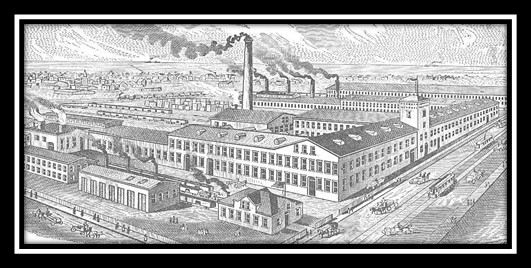
sources: A.W. Stevens Co. Factory : Free Download, Borrow, and Streaming : Internet Archive,American Mail & Export Journal Aug 1886 pg 32
Marinette Knitting Mill….1904
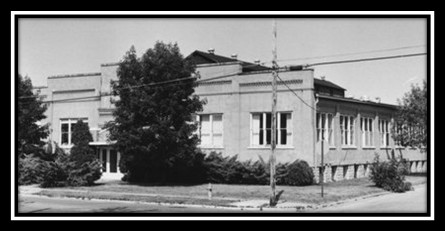
The Marinette Knitting Mill was started in 1904 by the Lauerman Bros. at the same time that their department store opened. It was a time when local businessmen sought to diversify from the forest products industry. The mills provided products for the store and were shipped to stores around the world offering top-of-the-line, high-fashion knitwear.
A second mill was established in Oconto and in the 1920s, the two mills had a total work force of 400 employees. During World War II, able to hire a large number of women – 1,000 – the mill produced gloves, mufflers, and sweaters for the Allied fighting forces. Later at one time they held a contract for a line of of Disney clothing products. The mill closed and in 1960 Harmon Juster opened Harmon Knitwear Inc. in Marinette. They produced high-quality women’s garments. Harmon closed in 1974.
Source: Rural Insights.org
Kreider Piano….1911
The Kreiter Manufacturing Co. (or Kreiter Piano Co.) was started by German immigrant Conrad Kreiter in Milwaukee in 1880 or 1897 (available sources differ). The piano manufacturing plant was moved to Marinette in 1911. It was located on Pierce av. in the old A.W. Stevens facility.
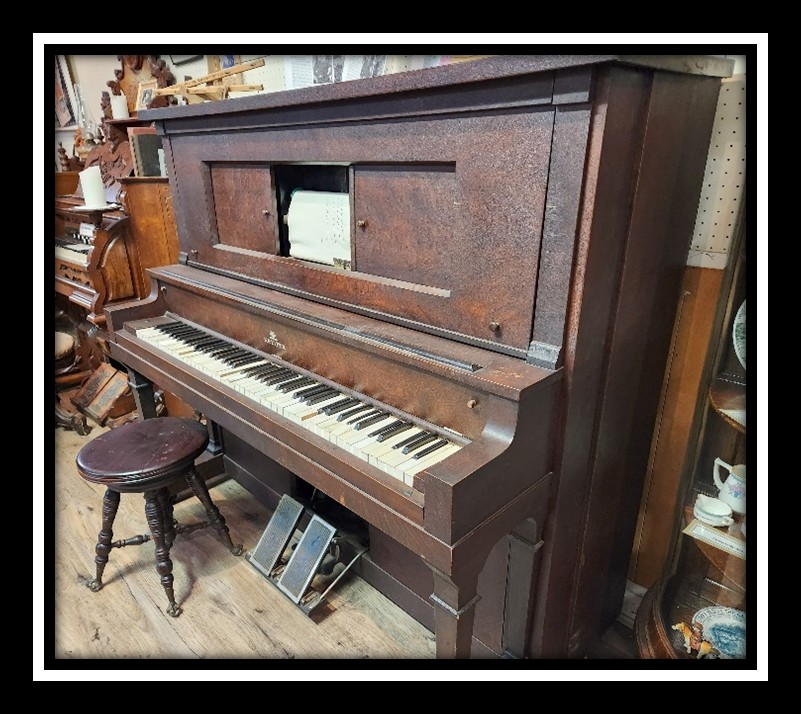
At one time the company produced 10,000 pianos a year, including grand pianos, uprights, and player pianos. The business offices remained in Milwaukee. The Marinette plant closed around 1930. Although many still are in use yet to this day.
A Player Piano made by Keiter Piano as well many other pianos and organs from the early years are on display at the Museum. Visit us Today
Sources: Dictionary of Wisconsin History.
 Marinette County Historical Society